Plenty of water heater problems are fine to book for later in the week. A few situations cannot, and knowing the difference protects both your home and your family. A tank that has split along a seam does not stop after emptying its own 40 or 50 gallons, because the cold supply keeps refilling it, so an unattended leak can move hundreds of gallons into flooring, drywall, and the rooms below. A temperature and pressure relief valve that keeps discharging is warning you that pressure or heat inside the tank has gone past its safe limit. Water at the faucet hot enough to scald usually points to a thermostat or gas control that has failed in the wrong direction. And any smell of gas near the heater is a safety event before it is a repair job. In Lexington, KY, these are the calls we treat as genuine emergencies.
Before anything else, rule out gas. A rotten-egg odor near the heater means everyone leaves the house, nobody operates switches or appliances on the way out, and the call goes to your gas utility or 911 from a safe distance. If there is no gas smell, turn to the water: close the cold supply valve at the top of the heater, or the main shutoff if that valve is frozen in place. Next, cut the energy to the unit, turning a gas control to OFF or switching off the dedicated breaker on an electric model, as long as you are standing on dry ground. Do not try to stop a discharging relief valve. Plugging it removes the final protection against a tank that is overheating. Once things are isolated, call (859) 203-0152 and we will help.
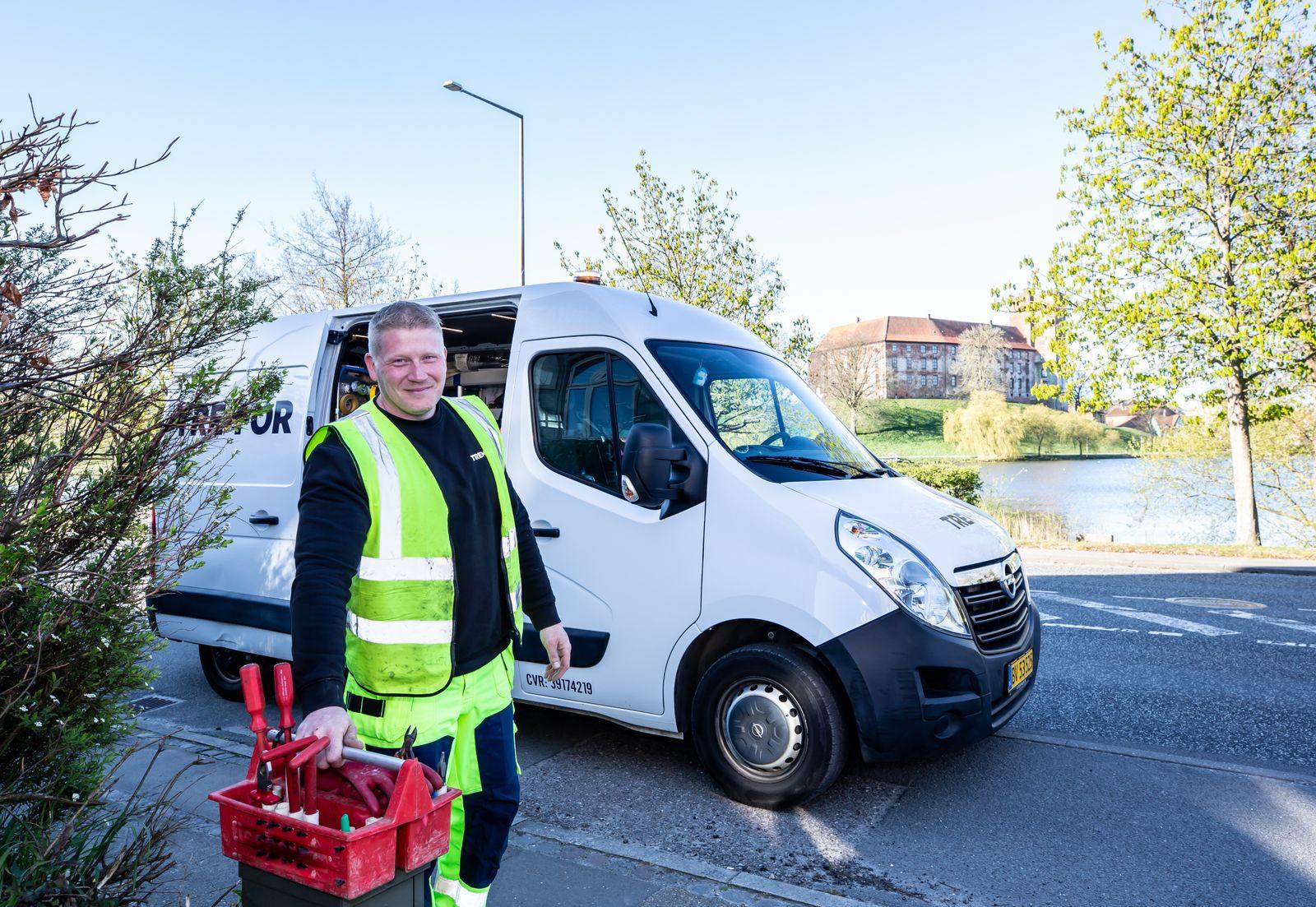
When you reach Lexington Water Heater, we start by asking what you see, hear, and smell, and we confirm the shutoffs are holding before anyone leaves the shop. We dispatch as quickly as we can and give you a realistic time frame rather than a promise we cannot keep. Our trucks carry the parts behind most urgent failures, including relief valves, thermocouples, flame sensors, heating elements, thermostats, drain valves, and supply connectors, so many emergencies end with a repair on the spot. When the tank itself has failed, patching it would not be honest work, so we explain replacement options, secure the area, and get hot water back as soon as the new heater is in. For emergency water heater repair in Lexington, call (859) 203-0152.
What homeowners call us about most is Water Heater Repair in Lexington. Either is a good place to start.
Symptoms That Mean It's Time to Call
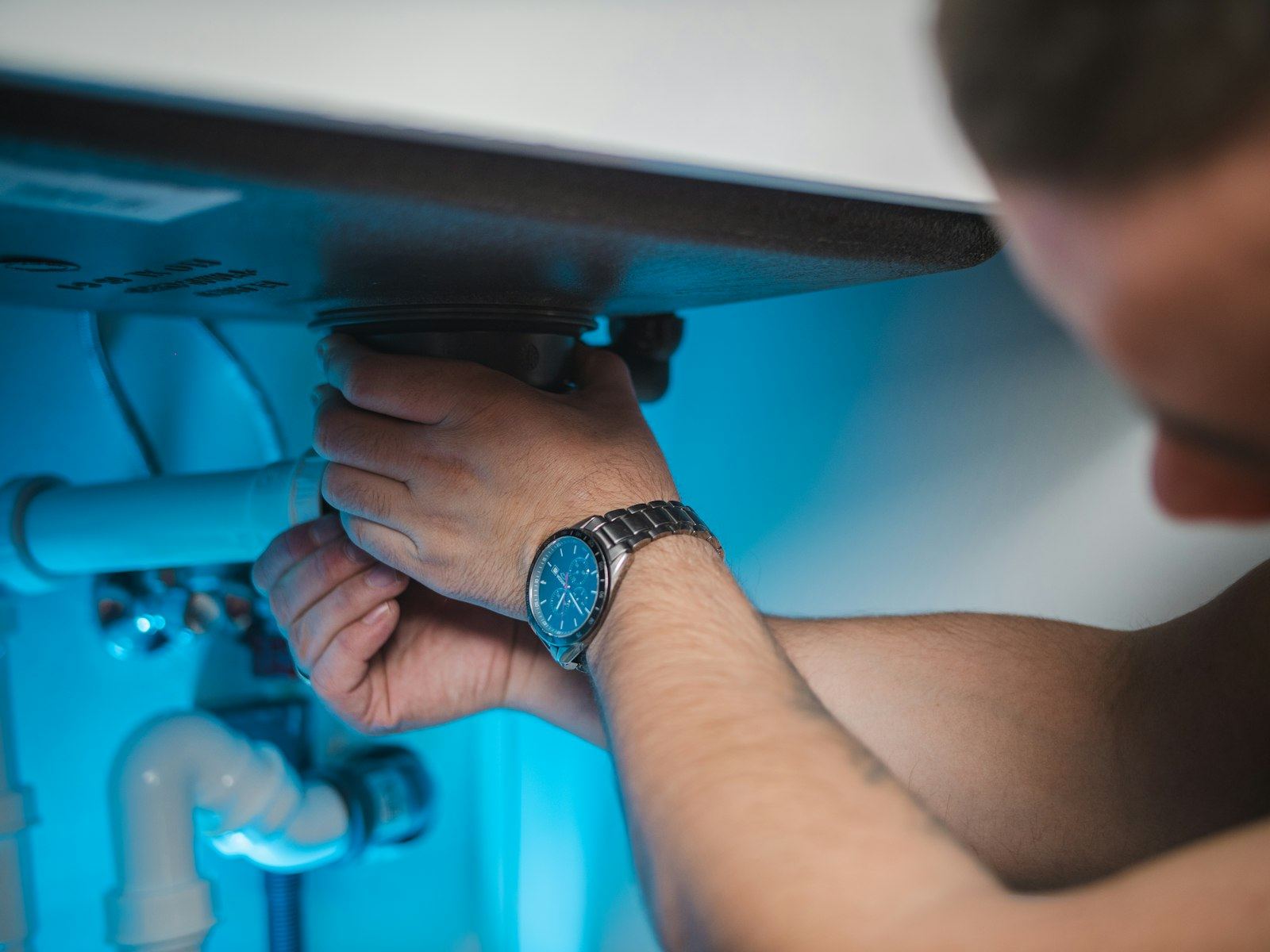
Catching a symptom early is often the difference between a quick part swap and a tank that gives out on the garage floor. Watch for these telltale signs that professional help is needed:
- A complete loss of hot water throughout the house
- Water at the tap that is suddenly scalding hot
- Scorch marks, soot, or flames rolling out near the burner access on a gas unit
- Water or steam coming from the temperature and pressure relief valve or its discharge pipe
- An electric water heater that keeps tripping its circuit breaker
- A rotten-egg smell near a gas water heater (leave first, and call the gas utility)
- A puddle under the tank that keeps growing
- Loud popping, banging, or rumbling from the tank that has gotten worse quickly
Small Symptoms, Big Consequences
A little rust-colored water or a relief valve that drips now and then can be the first hint of a tank that is close to the end. At the first hint of a problem, reach out to Lexington Water Heater at (859) 203-0152 and we'll take a look.
Your Emergency Water Heater Repair Questions Answered
Why This Job Calls for a Pro
A water heater emergency stacks several hazards in one small space. There is water on the floor near a 240-volt circuit on electric models, or near a gas valve, burner, and flue on gas models. There is a tank holding very hot water under pressure. And there is a safety valve that, if it is discharging, is doing so for a reason. Homeowners sometimes try to stop the relief valve by capping it, crank on a leaking fitting until it snaps, or relight a pilot beside a gas smell, and each of those can turn a bad afternoon into a real disaster. The safest moves for a homeowner are the ones described above: leave for gas, then shut off water and energy, then call for help.
A trained technician brings the right order of operations and the right parts. Our team confirms the heater is isolated, tests for gas leaks with a detector and soap solution rather than guessing, checks household water pressure and thermal expansion when a relief valve has been discharging, and inspects the vent for proper draft before a gas unit is restarted. Just as important, we tell you honestly when a heater can be repaired and when it cannot. A leaking seam or rusted-through bottom cannot be fixed, while a failed valve, fitting, or element usually can, and the difference is often a modest repair bill versus the cost of a whole new unit. You get that answer before any work begins.
What to Expect From Our Team
Every visit follows a step-by-step method built around testing first and replacing parts only when the readings call for it. Here's how we handle emergency water heater repair from start to finish:
Phone Triage & Shutoff Help
We start on the phone: confirm there is no gas odor, help you close the cold supply and turn off gas or power, and talk through what to move out of the water's path.
Arrival & Stabilization
We send a technician with a stocked truck and give you a realistic time frame. The first job on arrival is confirming the heater is isolated and the area is safe to work in.
Diagnose & Repair
If a component failed, we replace it right there. If the tank itself is leaking, we explain why it cannot be patched and lay out replacement options with clear pricing.
Test and Confirm
We refill the tank, purge air from the lines, restart the heater, check every joint for leaks, confirm the relief valve seats, and set the temperature to a safe 120F.
Want a Professional Opinion?
Tell us the age, fuel type, and symptoms, and we'll help you sort out the next step.
Call (859) 203-0152 NowHow to Prevent Water Heater Problems
A few preventive steps can help you avoid a cold shower or a wet floor down the road. Follow these tips from our technicians:
- Leave clear space around a gas heater and never store flammable liquids nearby
- Know where the heater shutoff and the main water valve are, and make sure everyone in the house does too
- A simple water sensor on the floor beside the tank can warn you hours earlier
- Put the heater in a drain pan piped to a floor drain or the exterior where the setup allows
- Lift the relief valve lever once a year to confirm it opens and reseats, and call if it keeps dripping
- Keep the thermostat near 120F to limit scalding and reduce strain on the tank
- Drain a few gallons or flush the tank annually to keep sediment from cooking the tank floor
Doing It Yourself vs. Hiring a Technician
The line between a safe DIY check and a risky repair is usually the moment you need to open a gas fitting, a vent connection, or an electrical cover. Here's a comparison:
| Factor | Doing It Yourself | Professional Service |
|---|---|---|
| Gas Safety | Lingering near a possible leak | Evacuate, utility clears it, then leak testing |
| Stopping the Leak | Unsure which valve to close | Shutoffs confirmed holding before diagnosis |
| Relief Valve | Discharge silenced without finding the cause | Cause found: pressure, expansion, or overheating |
| Electrical Hazard | Resetting breakers while the floor is wet | Circuit verified dead before any work |
| Diagnosis | Replacing parts until the leak stops | Leak and failure point pinpointed |
| Outcome | Temporary patch, risk of repeat flooding | Lasting repair or honest replacement advice |
Let's Get Your Hot Water Back
Every day a leak or a failing part goes unchecked puts more stress on the tank. Get Lexington Water Heater on the job today.
Call (859) 203-0152 TodayWhere We Provide Emergency Water Heater Repair
Our technicians handle emergency water heater repair throughout Lexington and the surrounding communities, with the same upfront pricing everywhere we work.